The troubling trend of book challenges and bans in libraries across the US continues. In 2025, 4,235 titles were banned or challenged at public, school, or university libraries, according to the American Library Association’s (ALA) State of America’s Libraries 2026 report. This figure was the second highest (following the record set in 2023) since ALA’s Office for Intellectual Freedom (OIF) began documenting censorship attempts in 1990.
Behind each title is an author being professionally—and sometimes personally—targeted for the stories they have chosen to share. These works usually amplify marginalized voices such as abuse victims or those within the LGBTQ+ community.
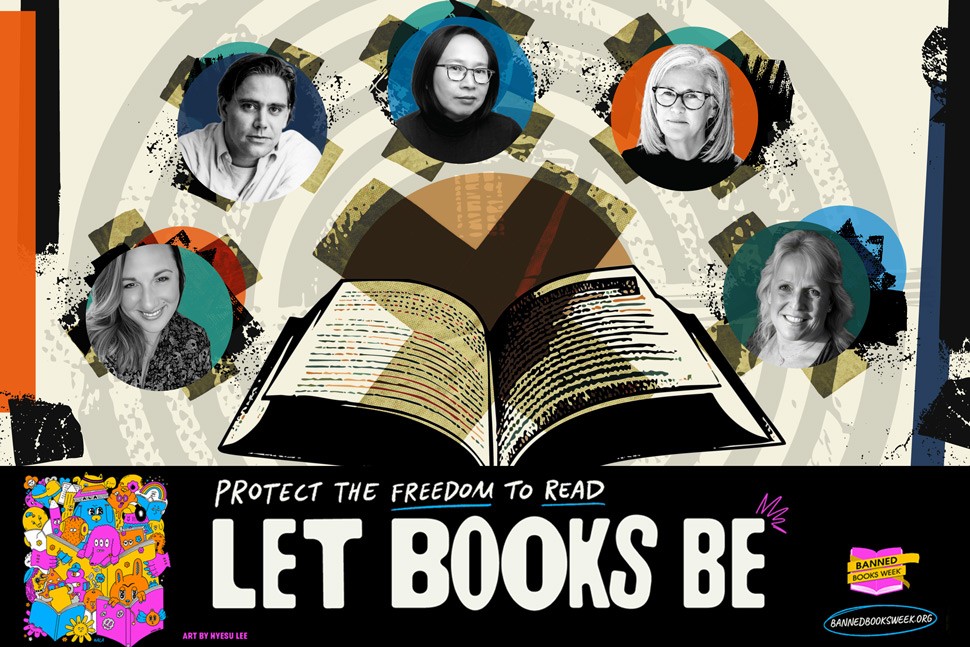
American Libraries spoke with five authors on the Top 11 Most Challenged Books of 2025 list included in the report to hear how their experiences affected them. Interviews have been edited for space and clarity. Read interviews with Malinda Lo, Ellen Hopkins, and Jennifer L. Armentrout at americanlibrariesmagazine.org tomorrow.
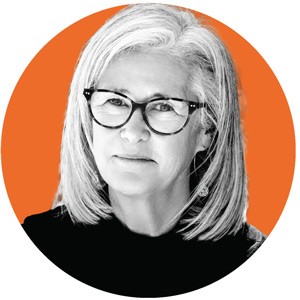
Patricia McCormick
McCormick’s Sold was the number one challenged book in the US in 2025. It’s a “dubious honor,” she says, and one that still baffles her.
Published in 2006, the young adult novel tells the story of Lakshmi, a 13-year-old Nepali victim of sexual slavery. To research the subject, McCormick—herself a survivor of what she describes as “childhood sexual harm”—interviewed trafficking victims in India and Nepal. For 15 years, the book received widespread critical acclaim, including a 2014 film adaptation and a place in high school and college curricula nationwide. Notably, McCormick says, Sold also found bipartisan support for shedding a light on human trafficking.
Before 2020, ALA reported only four censorship attempts on the book. But in recent years, pressure groups have called for its removal from libraries, saying that portions of the book that describe sexual abuse are inappropriate. Between 2021 and 2025, ALA received reports of nearly 200 censorship attempts.
MCCORMICK: This book was written to be part of the solution. When I first learned about child trafficking, I thought, “Well, somebody needs to tell the story from the girl’s point of view, and somebody needs to tell it for young readers, since they are the people who are being trafficked.” Young readers want to know about what’s happening to their peers around the world.
To call this book pornography is extremely disrespectful to the survivors of trafficking that I interviewed for this book. Pornography is meant to arouse or titillate. These young women shared the worst, most painful experiences of their lives to spare others from the same fate. They did so at great emotional cost, not to arouse or amuse anyone.
It’s also extremely disrespectful to young readers who have experienced sexual harm. A depiction of a young person being harmed is not pornography. It’s real life for them.
In the early days of Sold being targeted, I got in touch with the founders of Moms for Liberty to talk with them directly. I did have constructive conversations—at least they started off constructive. The leaders of those organizations talked about their support of efforts to combat child trafficking. They would say, “We do believe this book has literary merit. We do believe this book has social merit, and we’ll reconsider.” But it quickly turned into a situation where they cherry-picked one or two passages and read those pages out of context at school board meetings.
I also met with the chapter head of the Utah Moms for Liberty, and that was a constructive conversation. But then at a certain point, it took a turn that really surprised me. She said that not only can scenes of child abuse be triggering for some readers, which I get, but also that a scene like that would groom girls and make them want to be gay. I just had to agree to disagree.
This book has been around for a long time, so I would expect sales to diminish over time. But not only did I see a diminishment of sales after the recent years’ challenges, I also stopped being invited to speak at schools. School visits can be an important part of your income as a children’s author. It’s also disappointing because those meetings are so lively and meaningful. And it never fails: I go to schools, talk about this book, and some kid will either stand up in class or come up to me afterward and reveal that they have had or are having some kind of sexual harm experience in their home. Sold is not exactly their story, obviously, but there’s something about seeing a story that’s maybe six degrees removed from yours. You can feel compassion for a girl in Nepal who lives in a mud hut and is having this experience, and suddenly, you’re like, “Oh, wait a second, I’m in a similar situation, and the rage I feel on behalf of that girl, I feel it for myself.”
What keeps me hopeful is the resistance, from both librarians and readers. In October 2025, I went down to Fairhope, Alabama, where the public library lost its [$22,000 in] state funding because it refused to remove Sold [and other books] from the library. Within a week or two, donors from all over replaced that state funding. Now they’re going to have to do that every single year from here on out, and that’s not sustainable, but there was a prompt and generous response. I’m also inspired by all the banned books clubs and by people who see reading as an act of resistance.
I’m in an interesting position in that the book isn’t about my personal experience. Some of my friends who have written about issues that have to do with race and gender can’t go to places like this, because they will personally be targeted. I also feel such a missionary zeal to talk about trafficking and fight trafficking that you can’t stop me.
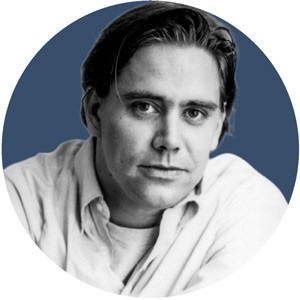
Stephen Chbosky
The first time Chbosky remembers the threat of censorship coming for his modern teen classic, Perks of Being a Wallflower, was shortly after its 1999 release. Back then, he couldn’t comprehend why people would object to a story that touches on issues that affect many teens, such as abuse, suicide, and sexuality. A conversation with his mother, he says, helped him understand.
“A lot of people don’t want to think that these things exist,” he recalled his mom saying. “They want to deny those things. Your book is bringing out into the light what they do not want brought out into the light.”
Perks has sold more than 5 million copies worldwide and was adapted into a 2012 film. It has also been a regular target of challenges for nearly three decades, and was number 2 on the Most Challenged Books list in 2025. For Chbosky, freedom to read is not only vital for society, but it can also be a matter of life or death for young people struggling to be seen.
CHBOSKY: For me, writing Perks started with an observation: I couldn’t understand why so many good people I knew allowed themselves to get treated so badly, including myself. In a lot of ways, I created the main character Charlie as someone so genuinely pure of heart that nobody could believe he deserved what happened to him. I think a lot of people who have known different kinds of trauma, especially young people, tend to blame themselves for a while. I think in my subconscious, Charlie was my answer to that.
At the time it was published, topics like mental health, neurodiversity, trauma, and homosexuality weren’t often covered. I didn’t think twice about it. I’ve seen it resonate over the years with the readers from my generation, but as time has gone on, I realize that maybe the pure way that I wrote about these issues through Charlie has resonated with younger generations. I was just trying to tell the truth as I saw it, and I think that young people can sense that.
I have a special copy of the book that I keep in my office. Whenever I receive a letter, I put it there. Each speaks to experiences like “I didn’t commit suicide because of the book”; “I finally came out”; “I got the help I needed”; or “It was the only thing that gave me comfort when I was in the mental hospital.” It’s very humbling to say but also sad because it means people have struggles.
The consistent theme is that a lot of people who didn’t feel understood in their lives read the book, and then they felt less alone. One young woman told me the first time she ever felt loved was reading the book. That was an astonishing thing to hear. It’s done so much good, and I’m so grateful that it has.
I wrote the book for personal reasons, but part of the reason is that you want to help end a silence. The silence of things can be such a cancer emotionally. I never understood censorship because it is trying to cause a silence. To me, you put something out into the world, and then you can have a discussion.
One example of censorship I really remember was in Arrowhead (Wis.) School District. A family was pushing the school district to get rid of the book altogether. I wrote a letter to them saying, “I understand you’re trying to protect your kids, and I respect that. But there are a lot of kids who might not have parents as involved as you are and might need some help. I’ve received some letters from young people who literally were going to commit suicide, read the book, and decided to live because of their experience and connection to it.”
My letter was read aloud in the school district hearing, and one of the saddest moments I’ve ever had was, after it was read, their son said the book had no redeeming value whatsoever. I just don’t know how he could stick to the script after being told that it saved a couple of young people’s lives.
Over the years, I have tried to reach people who don’t agree. I try to reach out with an olive branch to at least explain that I’m not doing this to be exploitative. To this day, I can never reach a single one.
The impact it has had on me personally changes with time. Now, my daughter’s 14. The idea of a small group of parents deciding what my daughter gets to read or not read makes me angry because they’re talking about my family. I went to film school in the Nineties, and I had professors who had been blacklisted during the McCarthy era. I saw the toll it took when people were not allowed to work.
Ironically, usually when the book is challenged, it becomes a bestseller in that area. But if I had to choose between selling fewer books and having it in libraries, I’m picking libraries every time. I want the book available to the most people.